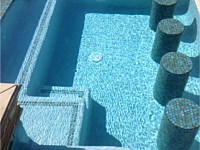


Swimming pool plumbing installation is a specialized job that requires specific knowledge about different types of plumbing equipment. These installations can suffer deterioration over time just like any other pool feature, making it necessary to opt for good quality installations.
Local Swimming Pool Remodeling Contractors
If you need to get pool plumbing work done when remodeling your pool, you need the assurance that the technicians who handle this work have the experience and knowledge to complete it to your requirements. This is where the expertise of companies like M. Preciado Pool Plastering Inc comes into the picture.
These swimming pool plumbing contractors have handled a large number of projects for clients in and around Sylmar, Los Angeles, and Ventura, and offer similar services to customers in Santa Barbara, San Fernando, Burbank, as well as Santa Clarita. They also cater to property owners throughout Santa Monica, Pasadena, Orange County, and the surrounding areas.
Various Pool Plumbing Features
An in-ground swimming pool has several plumbing components that carry out specific tasks and keep the pool functioning properly. Every component is important and should work well to ensure the water is clean and healthy; these components include:
- Pool Drains – These drains are situated at the lowest portion of the swimming pool and constantly draw water away from it. This water gets channeled to the filter where it is purified and then released back into the swimming pool. These drainage systems are quite complex in comparison to standard bathroom or kitchen drains. They transport large quantities of water per minute and are designed to handle this volume.
What to Know about Pool Plumbing & Electrical Systems
Pool plumbing is made up of several essential components that work together to keep your water clean, safe, and properly circulated. The system typically includes:
- Suction lines that pull water from the skimmers and main drains, a pump that moves the water
- A filter that removes debris and contaminants
- and return lines that send clean water back into the pool
Other important parts may include valves, check valves, heaters, automation controls, and specialty plumbing for features such as spas, waterfalls, and deck jets.
Proper design, pipe sizing, and equipment selection are critical because they affect circulation efficiency, energy use, and long-term reliability. A well-built plumbing system ensures balanced water flow, even chemical distribution, and fewer maintenance issues over time.
One of the most important safety considerations in modern pool plumbing is compliance with the Virginia Graeme Baker (VGB) Pool and Spa Safety Act. This federal law was created to reduce the risk of suction entrapment and drowning caused by unsafe drain systems. VGB compliance requires the use of approved anti-entrapment drain covers, proper suction outlet design, and in many cases, dual main drains or additional safety devices such as safety vacuum release systems. These measures help prevent dangerous suction forces that could trap swimmers underwater.
Homeowners should know that compliant plumbing and regularly inspected drain covers are essential for safety and often required by building codes and inspections. Ensuring your pool is VGB compliant protects users, improves liability protection, and provides peace of mind for families and property owners.
Electrical systems are also essential and highly regulated part of any pool or spa, designed to ensure safe operation of pumps, lighting, heaters, automation, and water features.
All pool electrical work must meet current code requirements, including proper grounding and bonding to prevent shock hazards. Bonding connects all metal components—such as rebar, handrails, equipment, and plumbing—to equalize electrical potential, while grounding safely directs stray electricity into the earth.
Modern installations also require GFCI (Ground Fault Circuit Interrupter) protection to automatically shut off power if a fault is detected. If your pool is older, it’s important to have the electrical system inspected, especially during remodels, to verify that bonding, conduit, wiring, and equipment are up to current standards.
Copper Plumbing
Many older pools were originally built with copper plumbing, which was common decades ago but is now considered outdated due to long-term corrosion and reliability concerns. Over time, copper pipes can deteriorate from constant exposure to chemically treated water, leading to pinhole leaks, reduced flow, and even metal staining on pool surfaces.
In addition, older plumbing systems were often undersized compared to today’s standards, which can restrict circulation, reduce equipment efficiency, and put extra strain on pumps and heaters. If a pool has frequent air in the system, unexplained water loss, weak return pressure, or difficulty maintaining water balance, these may be signs that the plumbing is leaking or no longer properly sized for the pool’s needs.
Upgrading to modern PVC plumbing provides better durability, smoother flow, and improved resistance to corrosion and chemical damage. During a remodel or repair, professionals can pressure test existing lines, identify leaks, and redesign the plumbing layout to meet current hydraulic and safety standards. This may include installing larger diameter pipes, improving suction and return balance, and updating valves and fittings for easier maintenance. Investing in a plumbing upgrade not only improves circulation and energy efficiency but also helps protect new plaster, equipment, and water quality for the long term.
Cost-Effective Pool Plumbing Services
When you are getting any swimming pool plumbing done, hire a certified and insured pool remodeling company. They will have well-trained technicians that will handle the job meticulously and as per industry standards.
When you want high-grade pool plumbing services, you need the assurance that skilled and experienced contractors are handling this job. A well-established company like M. Preciado Pool Plastering Inc. would be able to provide custom services at very competitive pool plumbing cost.
Spa Plumbing & Jet Installation
Spa plumbing and jet installation are critical components of a well-designed and enjoyable spa experience, as they directly impact water circulation, hydrotherapy performance, and long-term system reliability.
Before installation begins, it’s important to consider the spa’s size, seating layout, number of users, and desired jet pressure, since these factors determine pipe sizing, pump capacity, and jet placement.
Proper hydraulic design ensures balanced flow to each jet, preventing weak or inconsistent pressure. The process typically starts with planning the plumbing loop, selecting high-quality PVC or flex pipe, and installing dedicated suction and return lines to minimize friction loss. Each jet is carefully positioned to target key muscle groups while maintaining safe and code-compliant spacing.
Pressure testing is performed before the shell is finished to confirm there are no leaks, and all fittings, manifolds, and air lines are secured for durability.
When done correctly, professional spa plumbing and jet installation provide efficient performance, energy savings, and a relaxing, therapeutic spa that enhances both comfort and property value.
Pool Skimmer Installation
The pool skimmer is one of the most important parts of your pool’s plumbing system because it removes debris like leaves, insects, and oils from the water surface before they sink and create bigger maintenance problems.
A properly installed skimmer helps improve water circulation, keeps your filtration system working efficiently, and reduces strain on pumps and equipment. Homeowners should know that the skimmer’s location, water level, and weir door function all affect performance, so regular cleaning and inspection are essential.
During installation or replacement, professionals ensure the skimmer is securely bonded, sealed, and connected to the suction line to prevent leaks or air entering the system. Investing in quality skimmers and proper plumbing not only keeps your pool cleaner but also extends the life of your equipment and supports overall water quality.
Return Lines
Return lines play a key role in maintaining balanced water circulation by sending clean, filtered water back into the pool through strategically placed return fittings. Directional return eyeballs allow technicians to control the flow and angle of the water, which helps move debris toward the skimmers and prevents dead spots where algae and contaminants can develop.
Proper positioning and adjustment of these returns create a circular or rotational flow pattern that improves chemical distribution, temperature consistency, and overall water clarity. During installation, professionals size and route the return plumbing to reduce friction loss and ensure even pressure throughout the system. Homeowners should occasionally check that return fittings are secure and properly aimed, since small adjustments can significantly improve circulation efficiency and reduce long-term maintenance.
“MORE ARTICLES”
Pool Coping
Pool Remodeling
Pool Replastering
Pool Tile Installations